
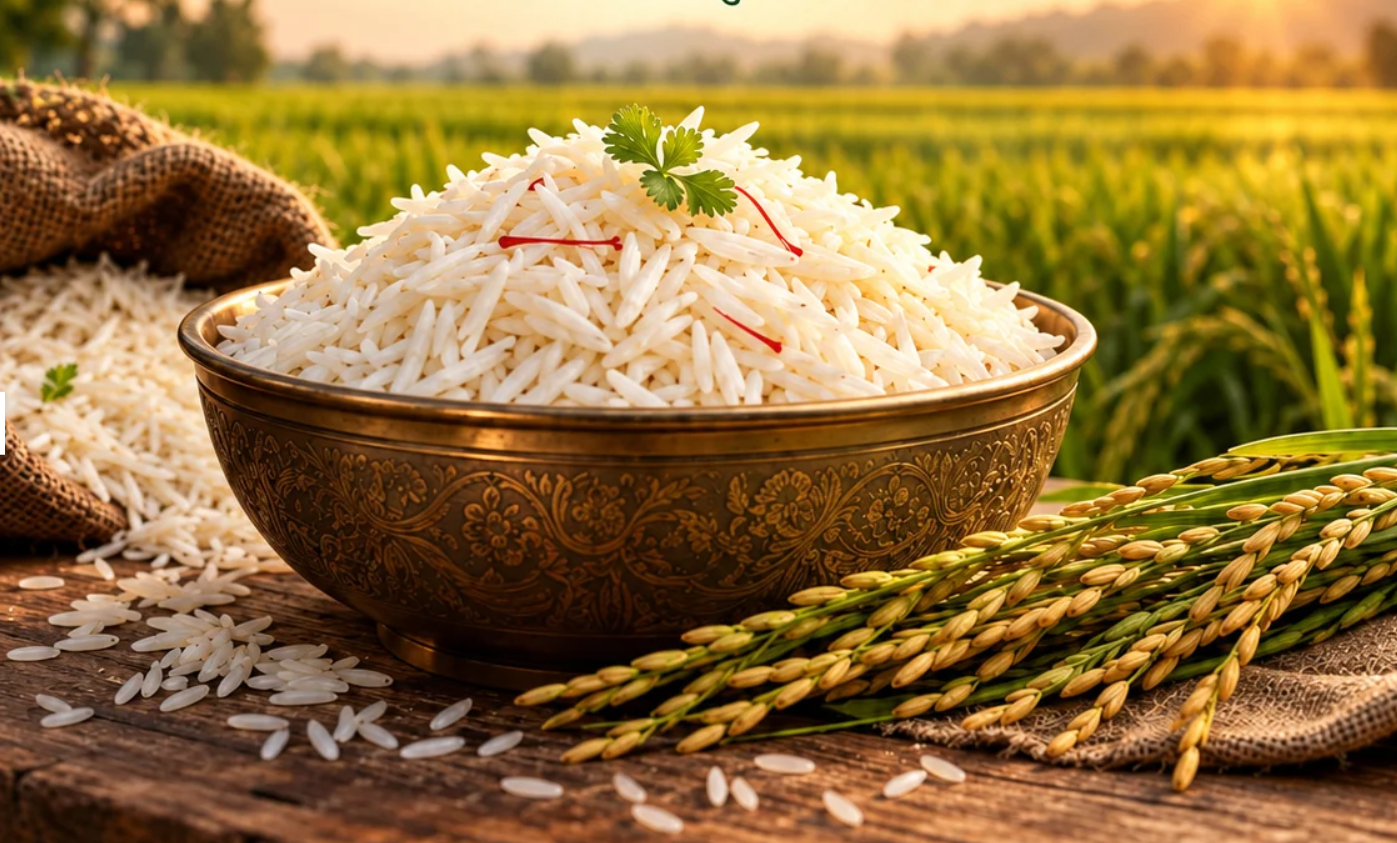
Yet, for many modern consumers navigating low-carb diets and conflicting nutrition trends, rice is often unfairly dismissed as empty starch. The truth? Basmati rice is good for health in ways that standard table rices simply cannot match. From steady energy release and gut microbiome support to heart health and weight balance, authentic basmati stands apart as a deeply functional, nutrient-dense whole food.
Here is an in-depth, science-backed look at why premium basmati rice belongs in a health-conscious lifestyle—and how selecting an authentically aged Himalayan harvest transforms daily meals into clean, wholesome nourishment.
1. Why Basmati Rice Is Good for Health The Starch Architecture: High Amylose vs. Amylopectin
The Starch Architecture: High Amylose vs. Amylopectin
To understand why basmati rice supports vitality & its Good for Health, you must look at its starch chemistry. Not all carbohydrates metabolize identically. Dietary starches in rice consist of two primary glucose polymers: amylose and amylopectin.
- Amylopectin features a branched, open molecular structure. Digestive enzymes break it down rapidly into single glucose molecules, triggering fast spikes in blood sugar and sudden energy crashes. Most short- and medium-grain rices (like Jasmine, Calrose, or standard white table rices) are loaded with amylopectin.
- Amylose, by contrast, is a straight, tightly wound molecular chain. This dense structure resists rapid enzymatic breakdown, requiring digestive enzymes to dismantle it gradually.
Pure, authentic basmati boasts one of the highest natural amylose-to-amylopectin ratios among all cultivated rice varieties. This molecular density explains why cooked basmati remains separate, dry, and fluffy rather than sticky—and more importantly, why it digests at a steady, manageable pace.
2. Healthy Blood Sugar and Sustained Energy: The Glycemic Advantage of Basmati Rice
Because of its high amylose profile, basmati rice features a lower Glycemic Index (GI) than nearly all other mainstream rice varieties that is why its Good for Health.
The Glycemic Index ranks carbohydrate foods on a scale from 0 to 100 based on how rapidly they raise post-meal blood glucose. High-GI foods (70+) digest quickly and strain metabolic health, while Low-to-Medium GI foods (55 or below, up to 69) provide slow, measured fuel.
| Rice Type | Average Glycemic Index (GI) | Digestion Rate | Post-Meal Satiety |
|---|---|---|---|
| Traditional White Basmati | 52 – 58 (Low to Low-Medium) | Gradual and balanced | Extended |
| Brown Basmati | 45 – 50 (Low) | Very slow & sustained | High (bran intact) |
| Jasmine White Rice | 70 – 82 (High) | Rapid | Low (quick hunger return) |
| Short-Grain Table Rice | 72 – 86 (High) | Rapid | Low |
For athletes, active professionals, and individuals managing metabolic balance, authentic basmati provides clean, sustained cellular energy without the dreaded afternoon sluggishness. It acts as a stable carbohydrate foundation, avoiding the steep insulin spikes that promote fat storage and arterial stress.
3. Natural Resistant Starch: Why Basmati Rice Is Good for Gut Health and Immunity
Modern gastroenterology recognizes that wellness begins in the gut. The human digestive tract is home to trillions of microorganisms that dictate everything from nutrient absorption to systemic inflammation and mood regulation.
A standout reason why basmati rice is good for health is its natural capacity to produce Resistant Starch (Type 3).
Resistant starch bypasses breakdown in the small intestine, traveling intact down to the colon. There, beneficial bifidobacteria and lactobacilli ferment it into short-chain fatty acids (SCFAs), most notably butyrate.
- Butyrate strengthens the gut mucosal barrier, preventing gut permeability (“leaky gut”).
- It lowers colonic pH, keeping harmful pathogenic bacteria at bay.
- It improves peripheral insulin sensitivity throughout the body.
The Prep Secret: Maximizing Resistant Starch
Because of basmati’s dense amylose network, cooking premium basmati and allowing it to cool in the refrigerator for 12 to 24 hours induces a process called retrogradation. This tightens the crystalline starch bonds, significantly multiplying its resistant starch content. Even when gently reheated, the retrograded starch remains intact, yielding a grain that is lighter in calories and richer in gut-friendly prebiotics.
4. Heart Health: Naturally Free of Sodium, Cholesterol, and Harmful Fats
Cardiovascular disease remains the leading health challenge worldwide, making heart-smart food choices essential. Pure basmati rice is an inherently heart-supportive staple:
- Zero Cholesterol and Minimal Fat: Basmati is naturally free of trans fats, saturated fats, and cholesterol.
- Low Sodium: Pure grains contain virtually zero sodium, helping maintain healthy blood pressure levels when prepared with wholesome herbs, whole spices, and light seasoning.
- Rich in Essential Micronutrients: Unpolished brown basmati preserves the intact germ and aleurone layers, supplying bioavailable magnesium, potassium, and B vitamins (including thiamine, niacin, and folate). Magnesium plays a pivotal role in relaxing vascular smooth muscles, promoting flexible arteries, and regulating resting heart rate.
5. Weight Management and Long-Lasting Satiety
One of the greatest obstacles to sustainable weight management is chronic hunger and the psychological fatigue of restrictive eating. Basmati rice bridges the gap between clean nutrition and deep culinary satisfaction.
When foods with high amylose and intact fiber digest gradually, they trigger the release of satiety hormones—including peptide YY (PYY) and glucagon-like peptide-1 (GLP-1)—signaling to your brain that you are full.
Because basmati grains elongate up to twice their raw size during slow cooking, they absorb substantial water volume. This expanded volume provides a generous, visually satisfying plate portion with fewer dry-weight calories, allowing you to stay sated on measured servings.
6. Naturally Gluten-Free and Non-Allergenic
In an era of rising food sensitivities, finding a versatile, non-inflammatory carbohydrate can be challenging. Basmati rice is:
- 100% Naturally Gluten-Free: Perfectly suited for individuals with celiac disease, non-celiac gluten sensitivity, or autoimmune conditions requiring an anti-inflammatory diet.
- Hypoallergenic and Easy to Digest: Unlike beans, raw cruciferous greens, or heavy legumes that can produce distress in sensitive stomachs, basmati digests cleanly without causing uncomfortable fermentation, bloating, or gas.
Why Quality and Aging Matter: The Brand Difference
While basmati as a botanical grain possesses remarkable nutritional properties, how your rice is sourced, handled, and aged makes all the difference.
Mass-market commercial rices are frequently blended with cheaper non-basmati hybrids, polished aggressively with chemical aids, or rushed to market when freshly harvested. Freshly harvested rice contains unstable moisture and sticky starches that cook poorly and digest unpredictably.
Our heritage basmati is treated with uncompromising craft:
- Origin Integrity: Grown exclusively in the mineral-rich, snow-fed soils of the Himalayan terroir, yielding grains with exceptional natural mineral density.
- Traditional Wood-Barn Aging: We naturally age our paddy for 12 to 24 months. Over this period, moisture evaporates evenly, cooking properties improve, and starches retrograde naturally—lowering stickiness and concentrating its iconic, naturally occurring aromatic compound, 2-acetyl-1-pyrroline.
- Purity Guaranteed: Free of artificial glazing agents, synthetic fragrances, or blended filler grains. Every bag delivers pure, clean, long-grain basmati just as nature intended.
How to Prepare Basmati for Maximum Health Benefits
To preserve the nutritional integrity and low-glycemic nature of your grains:
- Rinse Thoroughly: Gently rinse the raw grains under cold running water 2–3 times until the runoff is clear. This washes away any surface dust or excess free starch, guaranteeing non-sticky, separate grains.
- Pre-Soak for 30 Minutes: Soaking allows the long grains to absorb moisture evenly to the core, minimizing cooking time and preventing grain breakage.
- Cook Al Dente: Avoid over-boiling the rice until it turns soft and mushy. Keeping the grain firm (al dente) preserves its high-amylose crystal structure, keeping its glycemic response low and steady.
- Balance the Plate: Pair your basmati with clean protein (grilled poultry, fish, lentils, or paneer), heart-healthy fats (cold-pressed olive oil, unrefined mustard oil, or authentic grass-fed ghee), and high-fiber greens for a balanced, vibrant meal.
Nourish Your Family with the Grain of Kings
A balanced lifestyle does not demand abandoning wholesome, culturally cherished foods. When you choose pure, authentic basmati, you don’t have to compromise between exquisite culinary pleasure and clean, functional wellness.
Discover the difference that patient aging, pristine Himalayan origin, and authentic single-origin farming make to your daily plate.
[Explore Our Signature Aged Basmati Collection] — Pure nutrition, time-honored heritage, and unmatched aroma in every grain.
for More info follow us on instagram