
Basmati rice is known for its long grains, delicate aroma, fluffy texture, and distinctive flavor. However, with so many brands and varieties available, choosing the best option can be challenging. If you are wondering how to find best Basmati rice, this guide will help you identify the right quality, variety, and flavor for your needs. Whether you are preparing biryani, pulao, fried rice, or a simple everyday meal, the right rice can make a significant difference.
Learning how to find best Basmati rice starts with checking important factors such as the rice’s origin, grain length, aroma, aging period, packaging, and cooking quality. These details can help you choose rice that is fluffy, fragrant, and non-sticky.
Check the Origin of Basmati Rice
Authentic Basmati rice is traditionally grown in the Himalayan foothills of India and Pakistan. Rice from these regions is known for its natural fragrance, long grains, and distinctive texture.
Check the packaging for clear information about the country and region of origin. Products with transparent sourcing details are generally easier to evaluate.
Look for Aged Basmati Rice
Aging allows Basmati rice to lose excess moisture, helping the grains cook separately and become fluffier. Aged rice is especially useful for biryani and other dishes where you want long, non-sticky grains.
Many premium varieties are aged for 12 months or longer. Although aged rice may cost more, it often provides better texture and flavor.
Examine the Grain Length
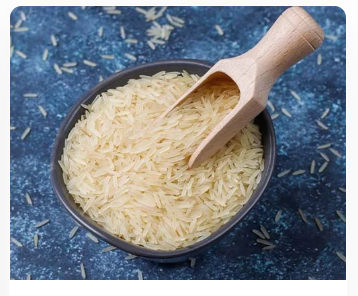
Good-quality Basmati rice has naturally long, slender grains. Some varieties become even longer after cooking.
Avoid rice with a large number of broken grains, excessive powder, or uneven pieces. Clean, uniform grains usually indicate better processing and handling.
Smell the Rice
Basmati rice should have a pleasant, natural aroma, even before cooking. Its fragrance is one of its most recognizable qualities.
If possible, smell the rice before buying it. Avoid products with a stale, musty, or artificial odor, as this may indicate poor storage or low quality.
Read the Label Carefully
The packaging should clearly state whether the product is:
Genuine Basmati rice
Aged Basmati rice
White or brown Basmati rice
A blend of Basmati and other rice varieties
Some products may use terms such as “long-grain rice” without being genuine Basmati. Reading the label carefully can help you avoid confusing standard long-grain rice with authentic Basmati rice.
Consider the Type of Basmati Rice
Different types of Basmati rice suit different meals.
White Basmati Rice
White Basmati rice cooks quickly and has a light, fluffy texture. It is a popular choice for curries, pulao, biryani, and everyday meals.
Brown Basmati Rice
Brown Basmati rice retains more of the grain’s outer layers. It has a firmer texture, nuttier flavor, and more fiber than white rice. It usually requires a longer cooking time.
Parboiled Basmati Rice
Parboiled rice is partially cooked before drying. It tends to remain firm and separate during cooking, making it a useful choice for large meals and rice-based dishes.
Choose Rice According to Your Recipe
Knowing how to find best Basmati rice also means choosing a variety that suits your recipe.
Biryani: Choose aged, extra-long-grain rice.
Pulao: Use fragrant white Basmati rice.
Everyday meals: Standard white Basmati rice is usually suitable.
Health-conscious meals: Brown Basmati rice may be a better option.
Meal preparation: Parboiled rice can maintain its texture well.
Check the Packaging
Good packaging protects the rice from moisture, insects, and contamination. Look for sealed packaging without tears, holes, or signs of moisture.
The package should include important details such as:
Expiration or best-before date
Batch or lot number
Country of origin
Storage instructions
Manufacturer information
Transparent packaging can also help you inspect the grains before purchase.
Compare Price and Quality
The most expensive rice is not always the best, but extremely low prices may indicate a blend, lower grade, or shorter grain length.
Compare several products by checking their origin, aging period, grain appearance, and customer reviews. Paying slightly more for high-quality rice can improve the final result of your dishes.
Try a Small Pack First
If you are trying a new brand, buy a small package before purchasing in bulk. Cook a test portion and evaluate:
Aroma
Grain length after cooking
Texture
Fluffiness
Taste
Amount of breakage
Whether the grains remain separate
This simple test can help you identify the variety and brand that best suit your preferences.
How to Cook Basmati Rice Properly
Even high-quality rice may not cook well if it is prepared incorrectly. Follow these basic steps:
Rinse the rice several times until the water becomes mostly clear.
Soak the rice for 20 to 30 minutes if recommended for the variety.
Use the correct amount of water according to the package instructions.
Bring the water to a boil before adding the rice, if using the absorption method.
Cook the rice over low heat with the lid covered.
Let it rest for 5 to 10 minutes after cooking.
Fluff the grains gently with a fork.
Avoid stirring the rice too much while it cooks, as this can release starch and make the grains sticky.
Common Mistakes to Avoid
When buying Basmati rice, avoid these common mistakes:
Choosing rice based only on packaging design
Assuming every long-grain rice is Basmati
Ignoring the origin and aging information
Buying a large quantity before testing the product
Selecting rice with many broken grains
Storing rice in an open or humid area
How to Store Basmati Rice
Store Basmati rice in a cool, dry place away from direct sunlight. After opening the package, transfer the rice to an airtight container to protect it from moisture and pests.
Always use clean, dry utensils when handling rice. Proper storage helps preserve its aroma, texture, and freshness.
Final Thoughts
Finding the right rice becomes easier when you know what to look for. Focus on authentic origin, long and uniform grains, natural aroma, proper packaging, and an appropriate aging period.
By following these practical tips, you will know how to find best Basmati rice for biryani, pulao, everyday meals, and other popular rice dishes. Compare labels, test small quantities, and store the rice correctly to enjoy fragrant, fluffy, and flavorful results every time.